Linda was still in a hospital bed when the phone rang with a number.
She was 61, nine days past a fractured hip, and she was raised to sign whatever a polite person put in front of her.
"I saw the bumper, and then I saw the sky"
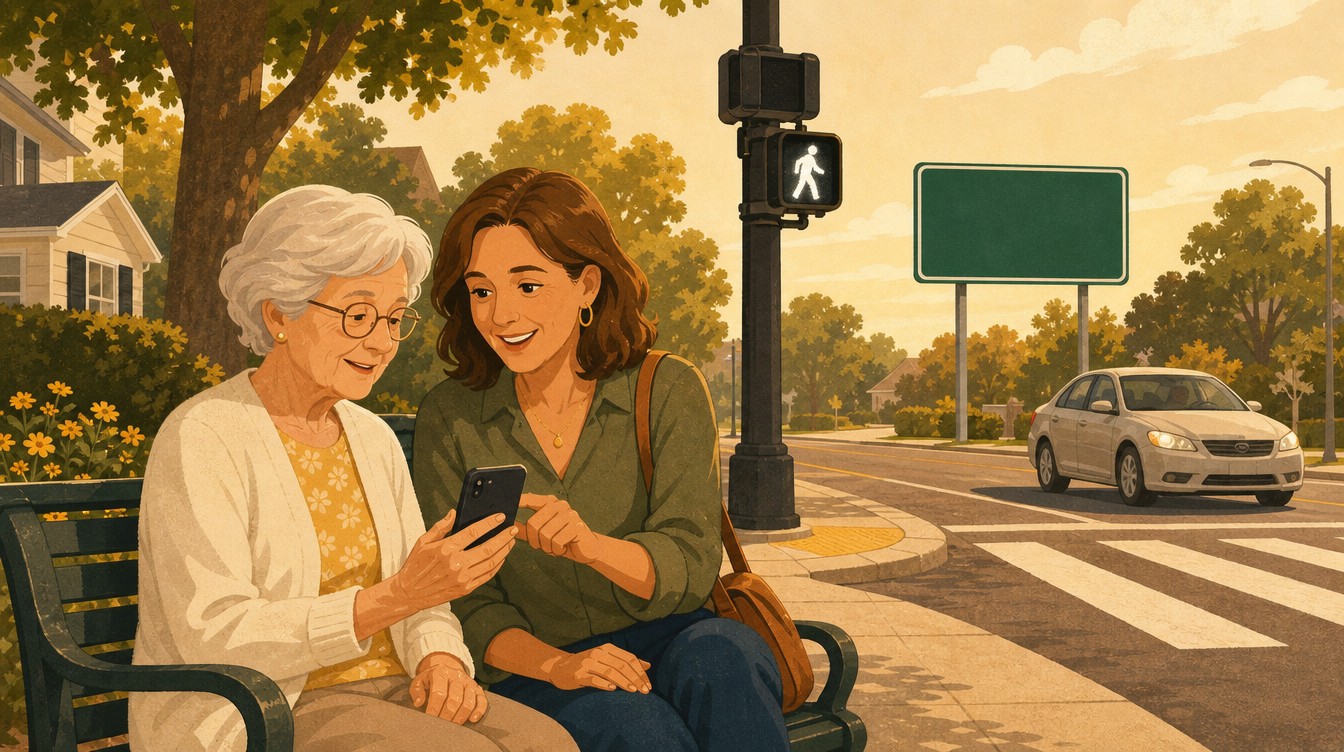
Linda retired last year after twenty-two years as a school aide in Mesa. On a Saturday morning she was crossing Main Street in the crosswalk, with the walk signal, when a car turning right did not stop.
Surgery. Eleven weeks with a walker. A daughter who moved in to help. Bills that came in envelopes for months.
And one phone call that came far too soon.
"It would help with expenses"
The driver's insurance company offered $4,500 on day nine. The adjuster said a quick settlement would save everyone stress.
Linda reached for a pen. Her daughter, sitting in the chair by the bed, said one word.
"No."
Then: "Mom, you were in the crosswalk. Don't sign anything until we check."
Her daughter did the check on her own phone, from the hospital chair. Eight questions, no card, no Social Security number. She tapped Walking on the first screen.
The estimate for a pedestrian hit in a crosswalk in Arizona, with a fracture, surgery and months of care, came back in a range that made $4,500 look like an insult. We will get to the number.
Minutes later, a person called.
The clearest kind of case
A person in a crosswalk with the signal is rarely at fault, the case specialist explained. An Arizona lawyer whose focus includes pedestrian injuries called. Her daughter took the call with her.
She never paid out of pocket. Her hospital bills were handled from the settlement. Her case closed for $96,000.* The company that offered $4,500 paid it.
What "expenses" leaves out
The ER bill is the smallest part. Surgery. The walker. The months of help. The pay your daughter lost moving in. People with a lawyer get about 3.5 times more than people who take the first offer, according to the Insurance Research Council, and the difference is usually everything the first offer left out.
Which brings us to you.
Are you in this story?
You were walking or cycling. You had the right of way. Someone called you in a hospital bed, or soon after, with a number.
Then you are where Linda was on day nine. Her case is hers. Yours is yours. The check tells you where you stand, in 45 seconds, for free. Someone can do it for you.