Three thousand two hundred dollars.
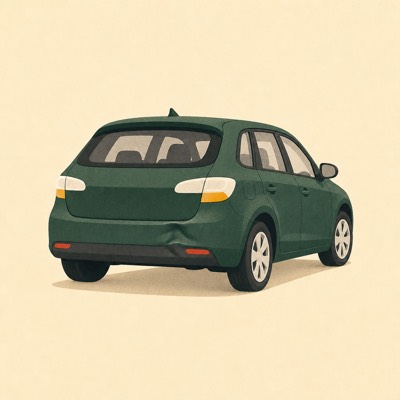
That was the number on Maria's kitchen table four days after a pickup hit her at a red light on Bell Road. Keep that number in your head. It is not the number this story ends with.
"It was loud, and then it was quiet"
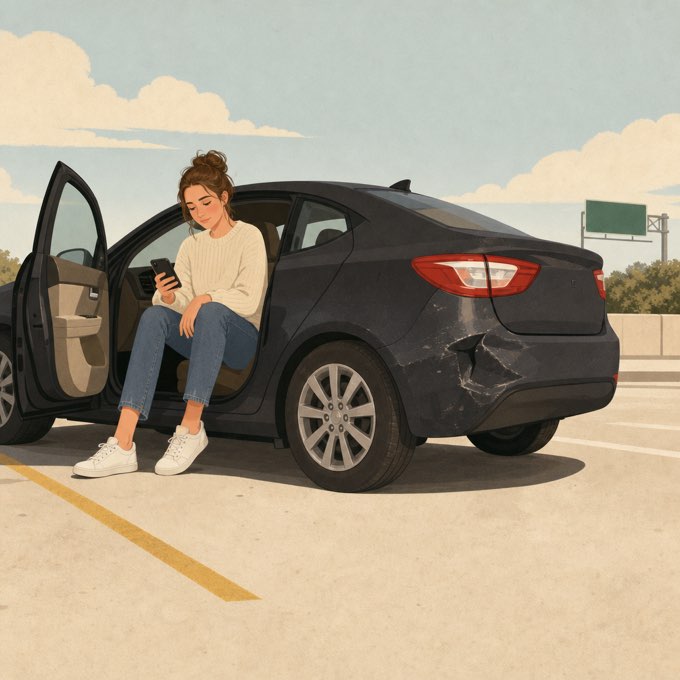
Maria is 34. She cleans teeth at a dental office in Phoenix. The pickup behind her did not stop. She got out, said she was fine, and drove home.
The pain came the next morning. So did something else.
The adjuster was kind
The other driver's insurance company called on day four. The woman on the phone asked how Maria was feeling. Then she offered $3,200 to close the claim, and said it would be quick if Maria signed that week.
The ER bill alone was $2,900. Maria had missed three weeks of work. She had physical therapy still to come.
She almost signed. Then her sister asked one question.
The question
"Did you check?"
Check what, Maria said. Her sister had been through a crash two years earlier. She knew what Maria did not: a first offer is built to arrive fast, before you know what you are owed.
The answer took 45 seconds.
What the screen showed
Eight questions on her phone. What kind of crash. Her state. When. Whether she had seen a doctor. No card. No Social Security number.
The estimate came back with the range that crashes like hers in Arizona had settled for. It was a long way from $3,200. We will get to how far.
Ten minutes later, her phone rang.
Not a lawyer. A person.
A case specialist explained what the estimate meant. Then a lawyer licensed in Arizona who handles rear-end cases called her. She could have asked for a different one by name. She did not need to.
She never paid a dollar out of pocket. The lawyer's fee came out of the settlement.
Eleven months later her case closed for $47,500.* The company that offered $3,200 paid it.
What the insurance company already knew
People with a lawyer get about 3.5 times more than people who take the first offer. That is from the Insurance Research Council, not from us. It is the whole reason the first offer comes fast.
One more thing Maria did not know: you do not have to give the other driver's insurer a recorded statement.
Which brings us to you.
Are you in this story?
You were hurt in a crash. It was not your fault. Someone called you fast with a number. You have not signed yet.
Then you are where Maria was on day four. Her case is hers. Yours is yours. The check tells you where you stand, in 45 seconds, for free.