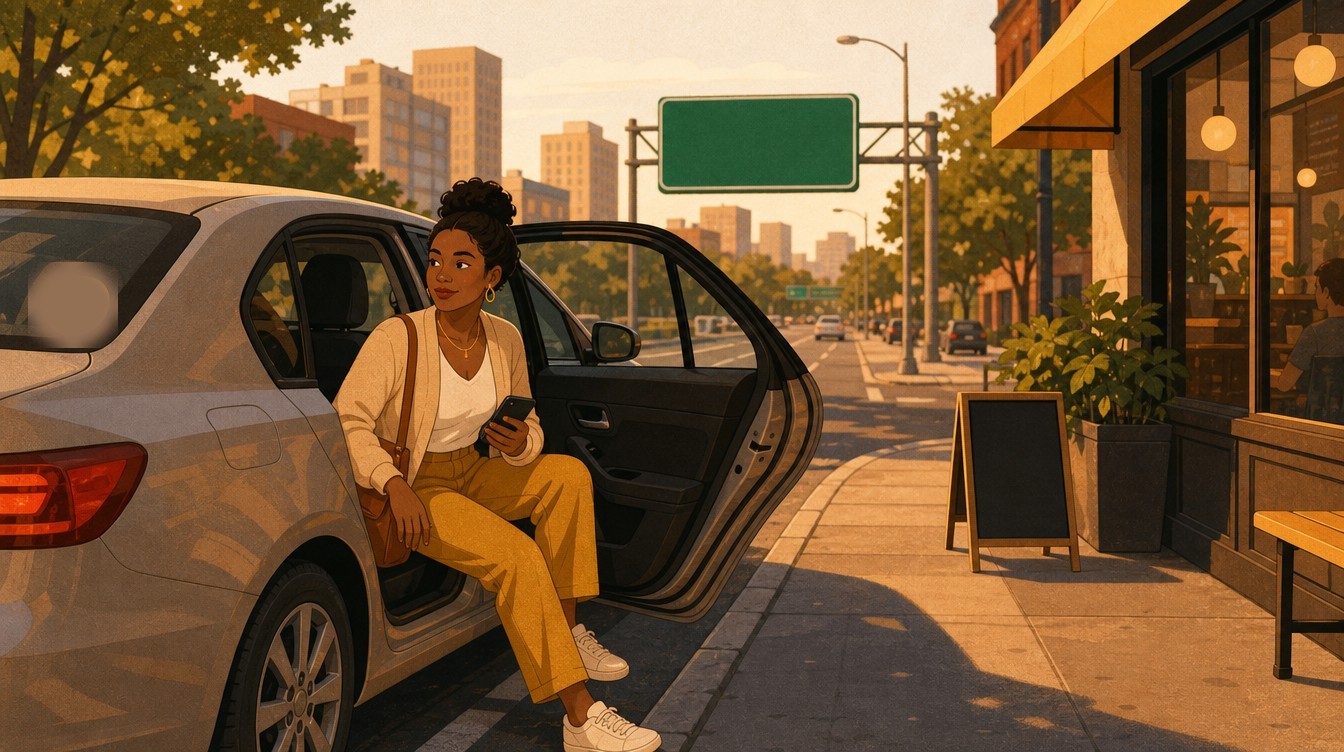
Jasmine did nothing wrong in the crash. She was in the back seat.
For two weeks, that is exactly why she did nothing at all.
The airbag, then the curb
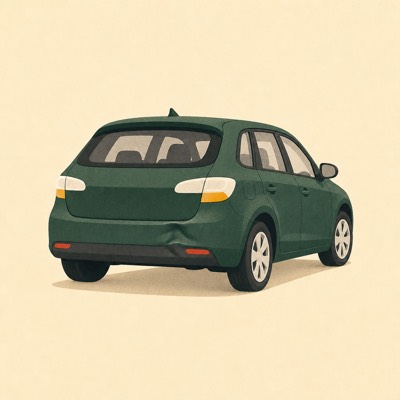
Jasmine is 27. She works mornings at a coffee shop near the University of Arizona and takes night classes. On a Friday in May a car ran a red light on Speedway and hit the side of the Uber she was riding in.
A concussion. Stitches above her eye. Three weeks of headaches that made screens impossible. Missed shifts. A missed midterm.
And a belief that turned out to be wrong.
"Not my car, not my problem"
The Uber driver had insurance. The other driver had insurance. Somebody would sort it out, Jasmine thought.
Then an adjuster called and offered $1,800. "For your trouble." Her stitches cost more than that.
She was about to take it when a classmate said the thing that changed the story.
"You were a passenger. You didn't do anything wrong."
Check what it's worth, the classmate said. Jasmine did not know passengers had claims at all.
She did the check between classes. Eight questions, no card, no Social Security number. One question asked whether she was the driver, a passenger, walking or cycling.
She tapped passenger. The estimate came back well above $1,800. We will get to the number.
Then a person called.
The rule nobody had told her
A passenger is almost never at fault, the case specialist explained. And rideshare trips carry their own insurance on top of the drivers' policies. Her claim was real, and it was hers.
An Arizona lawyer whose focus includes rideshare and passenger injuries called her. She never paid out of pocket.
Her case closed for $32,000.* The company that offered $1,800 "for your trouble" paid it.
Half the people hurt in crashes were not driving
Most of them never check. People with a lawyer get about 3.5 times more than people who take the first offer, according to the Insurance Research Council. That applies to the back seat too.
Which brings us to you.
Are you in this story?
You were a passenger. In an Uber, a Lyft, a friend's car, a bus. You got hurt. Someone offered you a small number, or nobody called at all.
Then you are where Jasmine was for two weeks. Her case is hers. Yours is yours. The check tells you where you stand, in 45 seconds, for free.